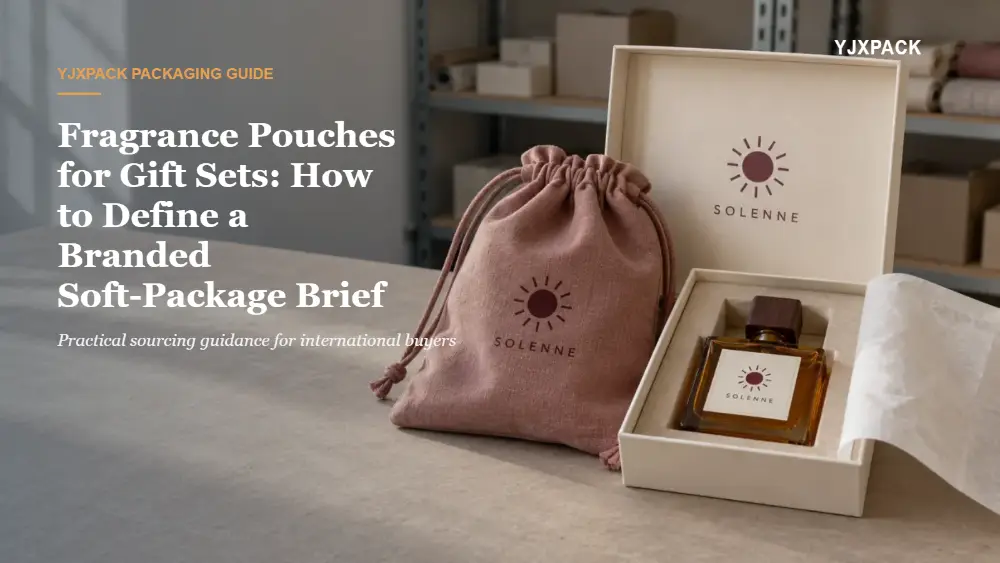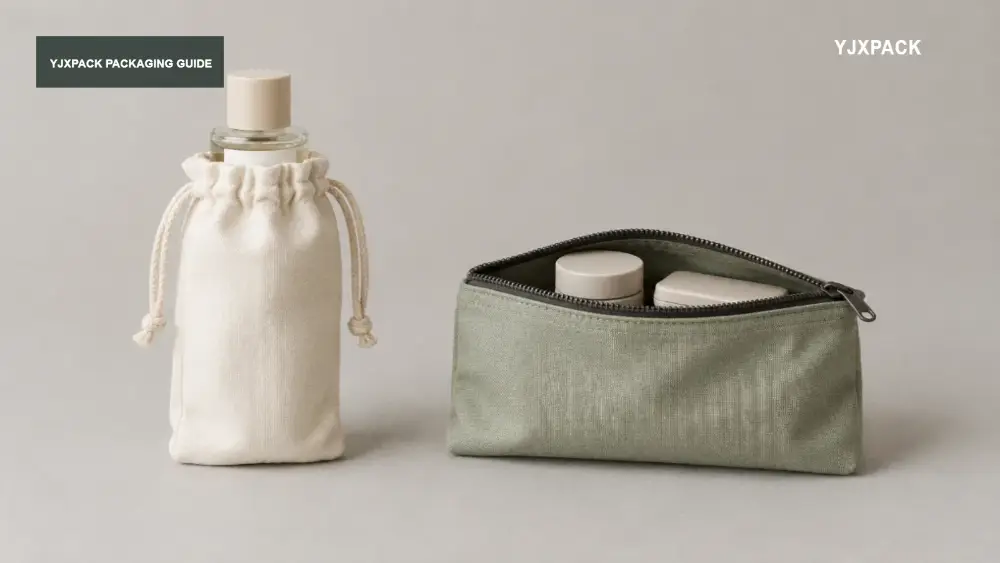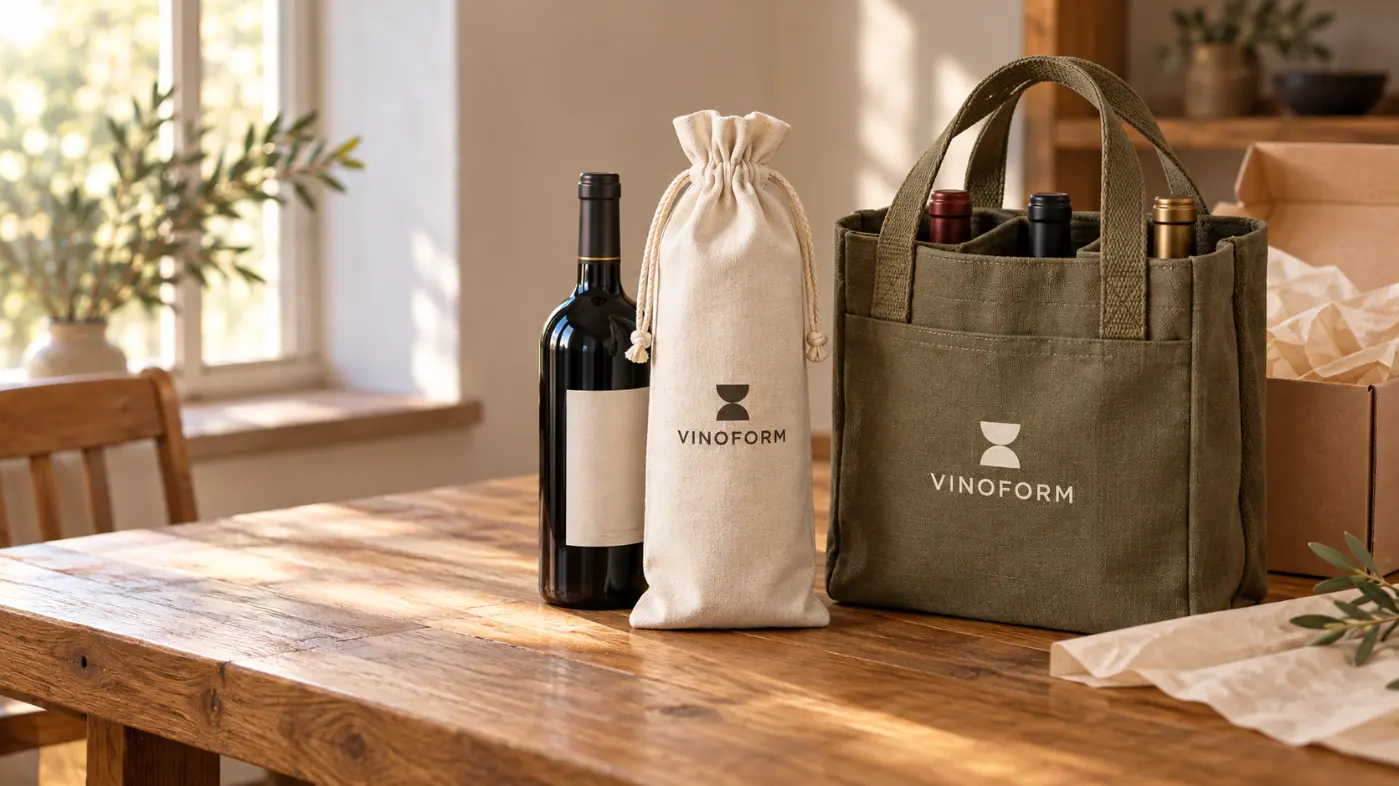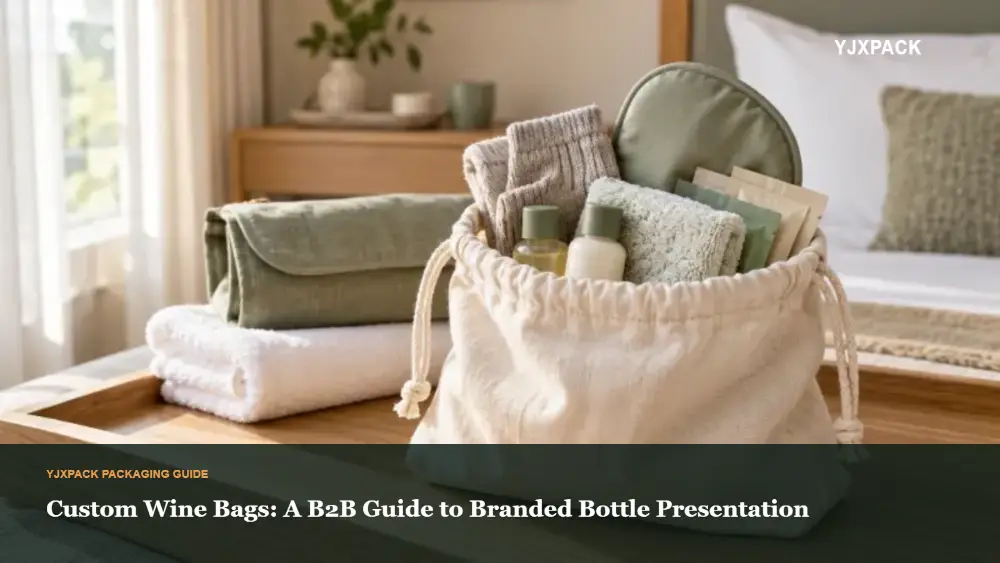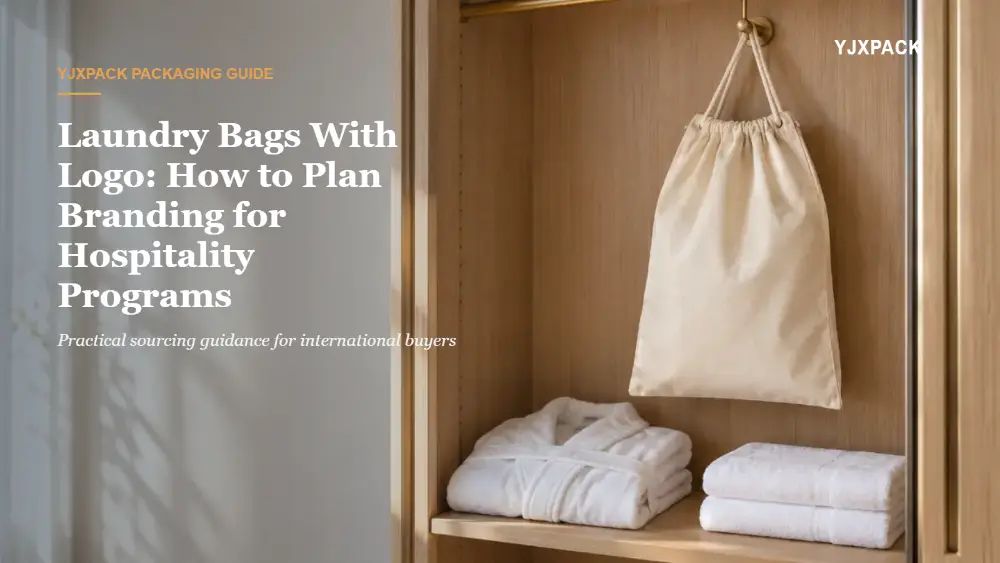
Custom cotton pouch packaging can give jewelry, cosmetics and gift products a soft, tactile presentation while keeping the pack format simple. However, a cotton pouch is not one fixed product. Fabric construction, pouch shape, lining, drawstring style, logo method and packing arrangement all influence how the finished pouch looks and works. Start with the product: its dimensions, surface sensitivity, weight, retail presentation and shipping plan.
Quick Summary
- Choose fabric based on the structure, texture and product contact needs, not the word “cotton” alone.
- Confirm finished dimensions, usable interior space, drawstring opening and any gusset before approving artwork.
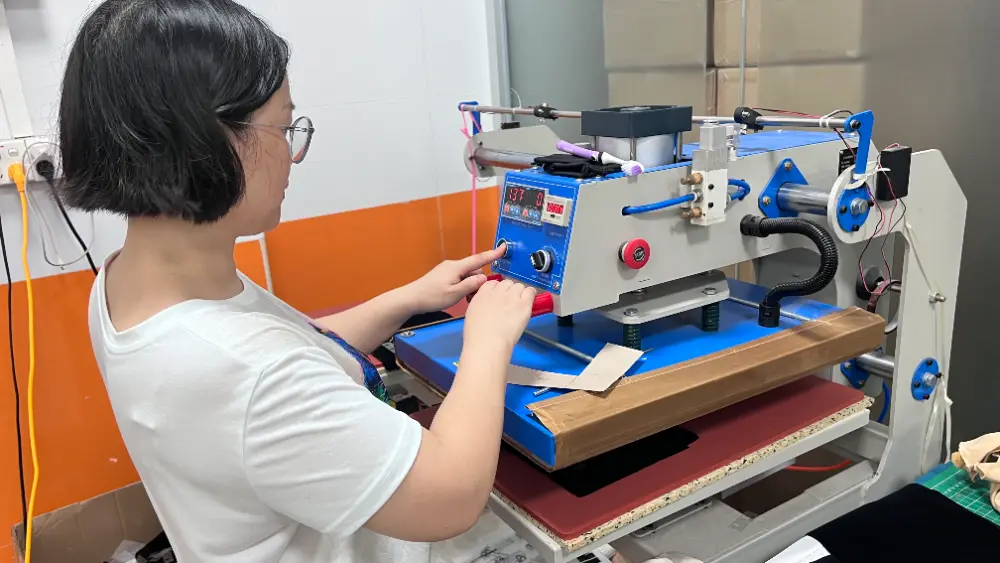
- Match the logo method to the artwork, fabric texture and intended handling; review it on a physical sample.
- Use a written sample checklist covering fabric, sewing, logo placement, dimensions, product fit and packing.
- If you plan to make organic, recycled or other material claims, request documents that support the exact claim.
What Custom Cotton Pouch Packaging Can Include
A cotton packaging pouch may be a simple drawstring bag, a flat sewn pouch, a gusseted bag or a pouch with a lining. Some brands use the pouch as the main presentation layer. Others place it inside a paper box, sleeve or shipping carton. Each option serves a different purpose.
For example, a small jewelry pouch may need a compact opening and a smooth interior. A cosmetic set may need a wider base or gusset so several items fit without putting pressure on the seams. A gift pouch may place more emphasis on presentation, with a larger logo area and room for tissue or an insert.
Cotton is also a broad material description. A loose plain weave and a denser canvas-style weave can both use cotton, yet they can differ in opacity, body, texture and printing surface. Compare the look you want with the handling the pouch must withstand before selecting a fabric. For a material-level comparison, see Cotton vs Linen vs Muslin: Which Fabric Is Best for Pouches?.
At YJXPACK, a productive pouch discussion starts with product measurements, product weight, artwork and the intended retail or shipping use. These details help buyers identify which questions need a physical sample rather than an assumption.
Choose Fabric Construction Before Choosing Decoration
Choose the fabric before finalizing the logo method. A detailed logo may look different on open-weave cotton than on a tighter, smoother fabric. Likewise, a pouch that needs to stand upright may require a different construction from a soft pouch that wraps around a small item.
Instead of relying only on a generic fabric name, ask for the proposed specification. Useful points include fiber composition, fabric weight, weave, color, lining material where applicable, and any washing or finishing process. If the pouch will hold delicate goods, ask whether loose fibers, seam allowances or cord ends could contact the product.
Logo selection should also happen with the fabric in mind. Screen printing may suit simple graphics and limited-color artwork. Embroidery can add a sewn texture, but small text and fine lines need review at actual size. Some designs may use heat-applied graphics, although the result depends on the transfer material, print area and fabric surface. Review Silk Screen vs Heat Transfer vs Embroidery: Which Printing Method Is Best? before choosing a direction for detailed artwork.
Fabric and Construction Options
| Option | What to Confirm | Common Packaging Use | Buyer Consideration |
|---|---|---|---|
| Lightweight cotton or muslin | Weave density, opacity and seam finish | Small favors, sachets and lightweight items | It may drape more than a denser fabric |
| Mid-weight cotton | Fabric body, print surface and drawstring channel | Jewelry, cosmetics and small gifts | It may offer more shape depending on construction |
| Dense cotton or canvas-style fabric | Thickness, foldability and sewing details | Larger gifts, kits and reusable bags | It may add bulk and affect folding or packing |
| Lined cotton pouch | Lining fiber, attachment method and interior finish | Delicate products or elevated presentation | Confirm whether the lining reduces usable interior space |
| Flat-bottom or gusseted pouch | Base dimensions and standing behavior | Bottles, jars and multi-item sets | Product weight and base shape should guide the format |
A fabric swatch helps buyers assess color and texture, but it does not replace a finished sample. Sewing, drawstring placement and logo application can change the final appearance. Review the pouch in its intended size whenever possible.
Size the Pouch Around the Product, Not a Generic Template
Pouch size affects presentation and protection. A pouch that is too tight can place stress on seams or make the product difficult to remove. A pouch that is too large may let the item shift and may look unplanned at retail.
Start with the product’s length, width and height. Then include added components such as a jewelry card, tissue, protective wrap, instruction leaflet, cap, pump or gift note. The drawstring channel also uses part of the pouch height. As a result, the external size may not match the usable interior space.
For necklaces and bracelets, length matters as much as width. The format should limit unnecessary bunching or tangling. For jars and bottles, assess the base diameter and determine whether the pouch needs a gusset or flat bottom. For rings and small charms, a compact pouch can work well, but the opening must still allow easy removal.
Use a paper or plain-fabric mock-up before confirming dimensions. This simple step can show whether the product fits, where it sits inside the pouch and whether an insert changes the result. The measurement method in How to Measure a Drawstring Pouch: Size Guide for Brands can help teams prepare a clearer request.
Format Planning by Product Type
| Product Type | Format to Evaluate | Key Dimension Questions | Presentation Detail to Review |
|---|---|---|---|
| Rings, earrings and charms | Small drawstring pouch | Does the opening allow easy access? | Interior texture and logo scale |
| Necklaces and bracelets | Longer flat or drawstring pouch | Is there enough length for the item and card? | Tangling risk and cord placement |
| Lipsticks, tubes and roller bottles | Slim flat pouch or narrow gusset | Does the item fit without stressing seams? | Whether the pouch sits neatly in a box |
| Jars and candles | Wider pouch or flat-bottom format | Is the base stable for the product’s shape? | Base construction and drawstring clearance |
| Gift sets | Larger gusseted pouch or pouch-and-box set | Is there room for all components and tissue? | Packing sequence and outer-box fit |
Select and Approve the Logo at Final Scale
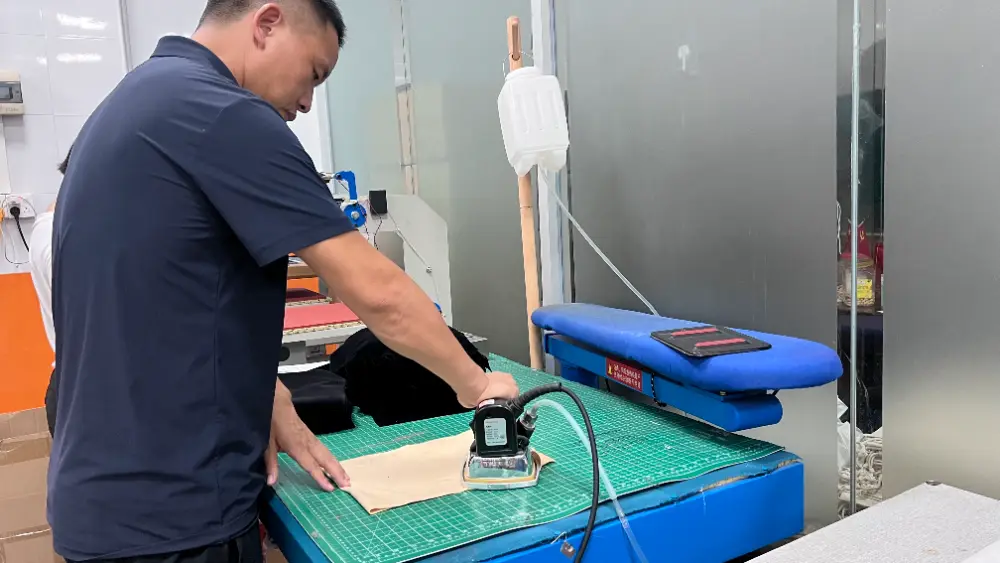
The logo method should support the artwork rather than compete with it. Ask to see the logo at the final pouch scale. A mark that looks clear on a digital proof may lose detail when reduced, especially on textured fabric.
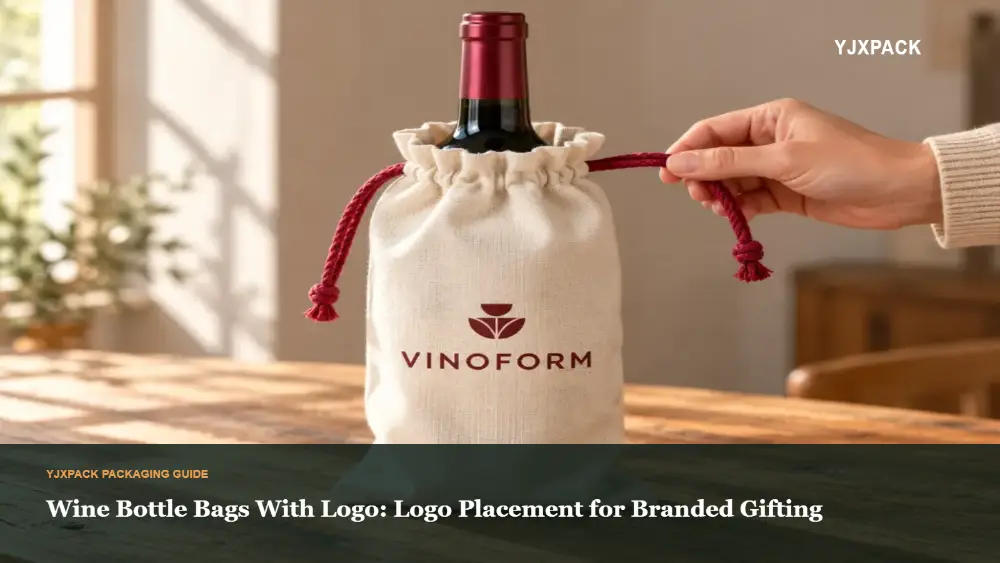
Placement matters as well. A centered front logo, a lower-corner mark and a woven label can create different visual effects. They can also affect sewing steps and available print space. State the logo size and location in writing before sample approval.
Provide artwork in the supplier’s requested format. If color matching matters, provide the reference system your team uses and ask how the supplier will manage color variation across fabric and print materials. Do not assume that a screen display, digital artwork and fabric decoration will look identical.
Combine Cotton Pouches With Other Packaging Layers
A cotton pouch can work on its own, but it can also form part of a multi-layer pack. A paper box may provide a defined retail shape and space for product information. The pouch can then create a softer reveal or a reusable storage layer. A shipping carton has a separate role: protecting the packed goods during transport.
This distinction matters. A drawstring pouch is generally a presentation component, not automatically a shipping-protection solution. If the product is fragile, heavy or at risk of leaking, assess inner protection and the outer carton separately.
A pouch-and-box combination needs a packing plan. Confirm whether the filled pouch fits the box after adding cords, tissue and inserts. Also decide who will pack the components and in which order. A simple packing diagram can prevent fit problems before final packing begins.
Manage Sampling, Quotations and Approval Points
Cotton pouch quotations depend on the complete specification. Fabric, dimensions, lining, cord, logo treatment, packing method and order quantity can all affect the work required. A YJXPACK quotation request is clearer when it includes these details rather than only a reference photo.
Sampling gives a buyer the chance to compare expectations with a physical item. Review the sample under normal lighting and, where relevant, alongside the product and retail box. Record changes in a written approval file so production requirements do not depend on memory or an informal chat.
How to Order Custom Jewelry Pouch Samples: A Step-by-Step Guide for Brands provides a useful framework for organizing sample feedback.
Sample Approval Checklist
| Checkpoint | What to Review | Why It Matters |
|---|---|---|
| Dimensions | External size, usable interior space and opening | Product fit can differ from a drawing |
| Fabric | Color, texture, weave and visible irregularities | Fabric affects appearance and logo results |
| Sewing | Seam alignment, loose threads and cord-channel construction | Construction affects presentation and use |
| Logo | Position, scale, legibility and color appearance | The fabric surface can change artwork visibility |
| Product fit | Filled pouch, drawstring closure and box fit where applicable | The complete pack is what the customer receives |
| Packing | Fold method, protective packing and carton arrangement | Packing choices can affect arrival condition |
Ask Focused Questions About Quality and Material Claims
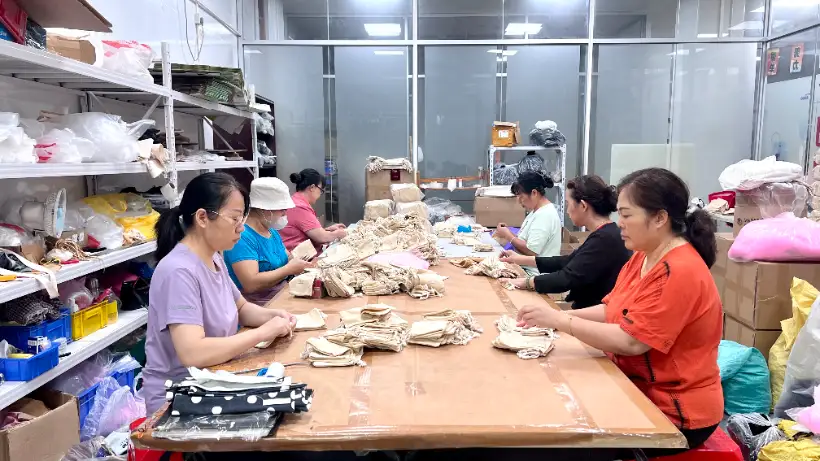
Quality checks should match the product and agreed specification. For a jewelry pouch, the buyer may focus on interior finish, drawstring operation and logo placement. For a cosmetic pouch, product fit and seam construction may deserve more attention. If customers will handle the pouch repeatedly, discuss the intended use and agree on relevant inspection points before production.
Buyers can ask suppliers how they check dimensions, appearance, sewing and packing. If there is a specific concern, such as color transfer or logo adhesion, ask which test method or acceptance criteria would apply. A general statement about quality control does not replace defined requirements.
Material claims need the same care. If you plan to market a pouch as organic or recycled, request documents that support the exact fiber and chain-of-custody claim you intend to make. The Global Organic Textile Standard (GOTS) provides information about its textile standard and certification system. Focus any audit or certification discussion on current, applicable documentation rather than loosely used marketing labels.
When you brief YJXPACK or another pouch supplier, share the product, artwork, dimensions, preferred construction and approval criteria together. This creates a stronger basis for samples and helps both sides identify open decisions early.
Frequently Asked Questions
What information should I provide when requesting a custom cotton pouch?
Provide product dimensions and weight, pouch size or target format, fabric preference, lining requirement, logo artwork, logo location, color references, intended use and packing needs. A photo of the product and any box or insert can also clarify the request.
Do I need a lined cotton pouch for jewelry?
It depends on the jewelry design and the presentation you want. Review a lining when an item has delicate surfaces, prongs, chains or components that could catch on the pouch interior. Test the actual product in a sample before deciding.
Can a cotton pouch replace a shipping box?
Usually, a pouch and a shipping box serve different roles. The pouch can present or store the product, while the outer carton should be evaluated for transport protection based on product fragility, weight and shipping route.
Which logo method should I choose for detailed artwork?
Review the artwork at the final pouch size and on the selected fabric. Fine text, gradients and small details may need a different approach from bold, simple marks. A physical sample is the practical way to assess legibility and appearance.
What should I inspect before approving a pouch sample?
Check dimensions, product fit, fabric color and texture, stitching, drawstring function, logo position, artwork clarity and packing fit. Write down all approved specifications and revisions so the production requirement remains clear.
Share This Story, Choose Your Platform!