A mahjong bag has to do more than hold tiles. It carries a full rack set, sometimes dice, scorecards and spare pieces, and it often travels between a store shelf, a gift box and a card table for years. Buyers who source this category quickly discover that “one bag fits all” rarely works, because a compact tile pouch and a full set carry case solve different problems. This guide walks through format, sizing, materials, closures, branding and quality checks so a brand owner, distributor or gift packaging buyer can build a clear specification before requesting a quote.
Quick Summary
- Match the bag format to the actual contents: tile-only pouches, rack pouches and full set carry bags all have different volume and reinforcement needs.
- Confirm real measurements of tiles, racks, dice and cards before naming a size; never guess dimensions from memory.
- Compare fabric weight, lining and stitching against how often the bag will be packed, unpacked and transported.
- Choose a logo method that suits both the fabric surface and the order quantity, then request a sample before approval.
- Treat MOQ, cost and lead time as discussion points to confirm directly with a supplier such as YJXPACK, not fixed numbers to assume in advance.
Choose the Right Mahjong Bag Format
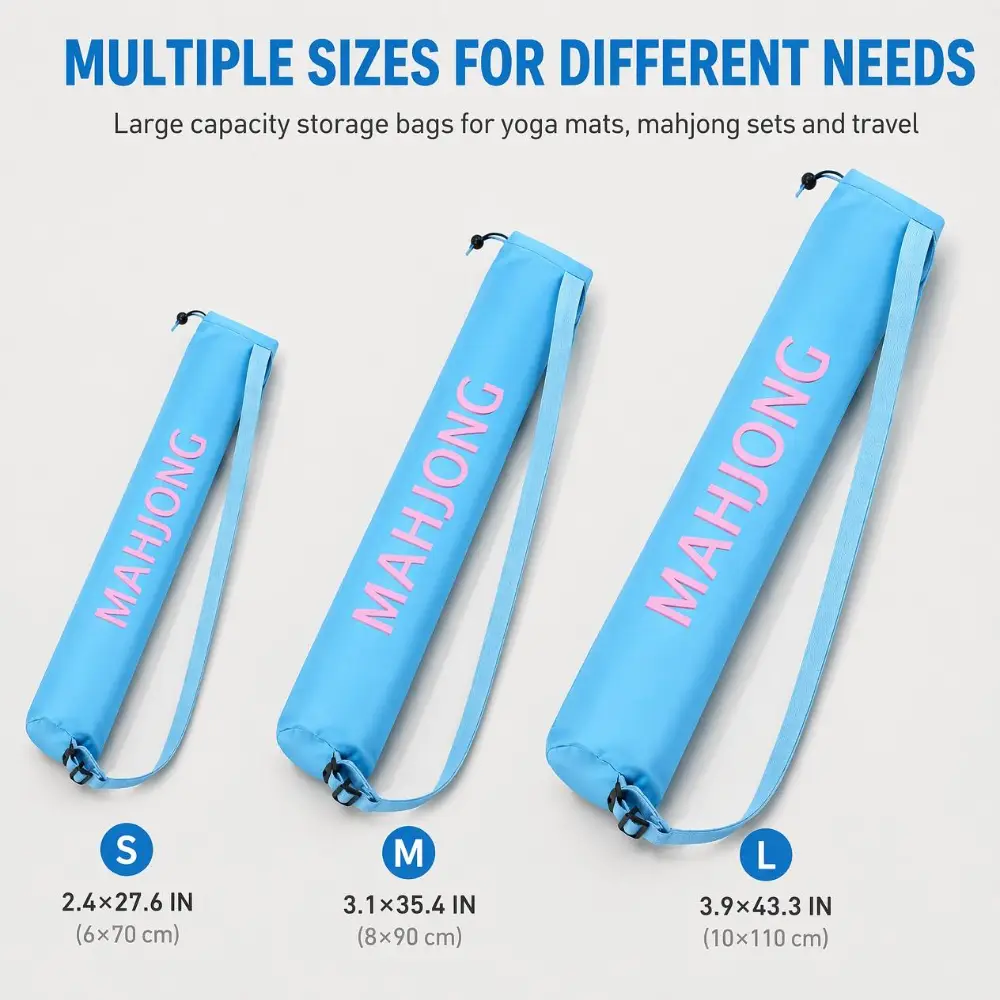
Mahjong sets come in different configurations, so the bag category actually covers three general formats: a small pouch for loose tiles, a mid-size pouch for a rack or a stack of tiles, and a larger carry bag that holds the entire set with racks, dice and scoring sheets. Picking the wrong format early can lead to another sampling round, which adds time for both buyer and supplier.
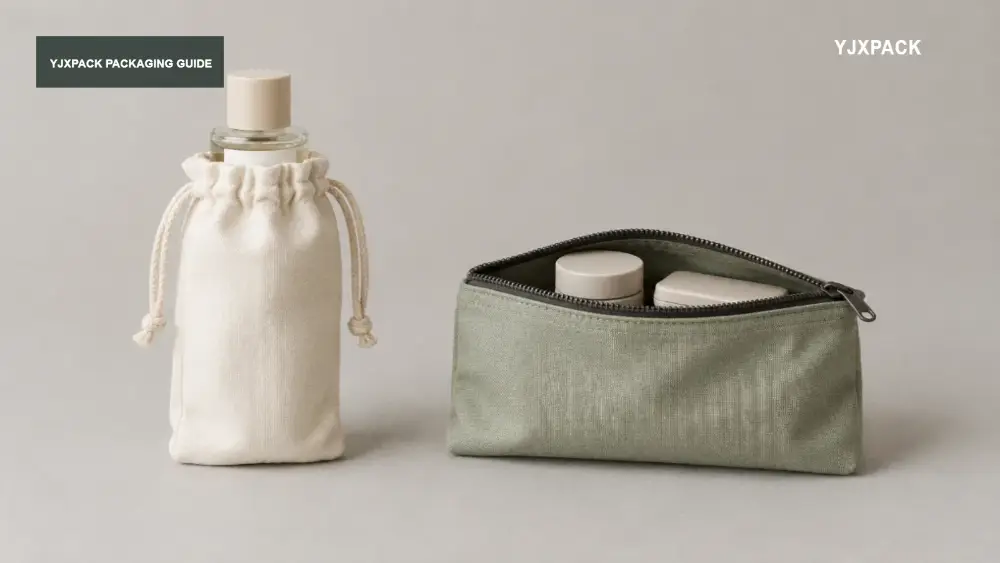
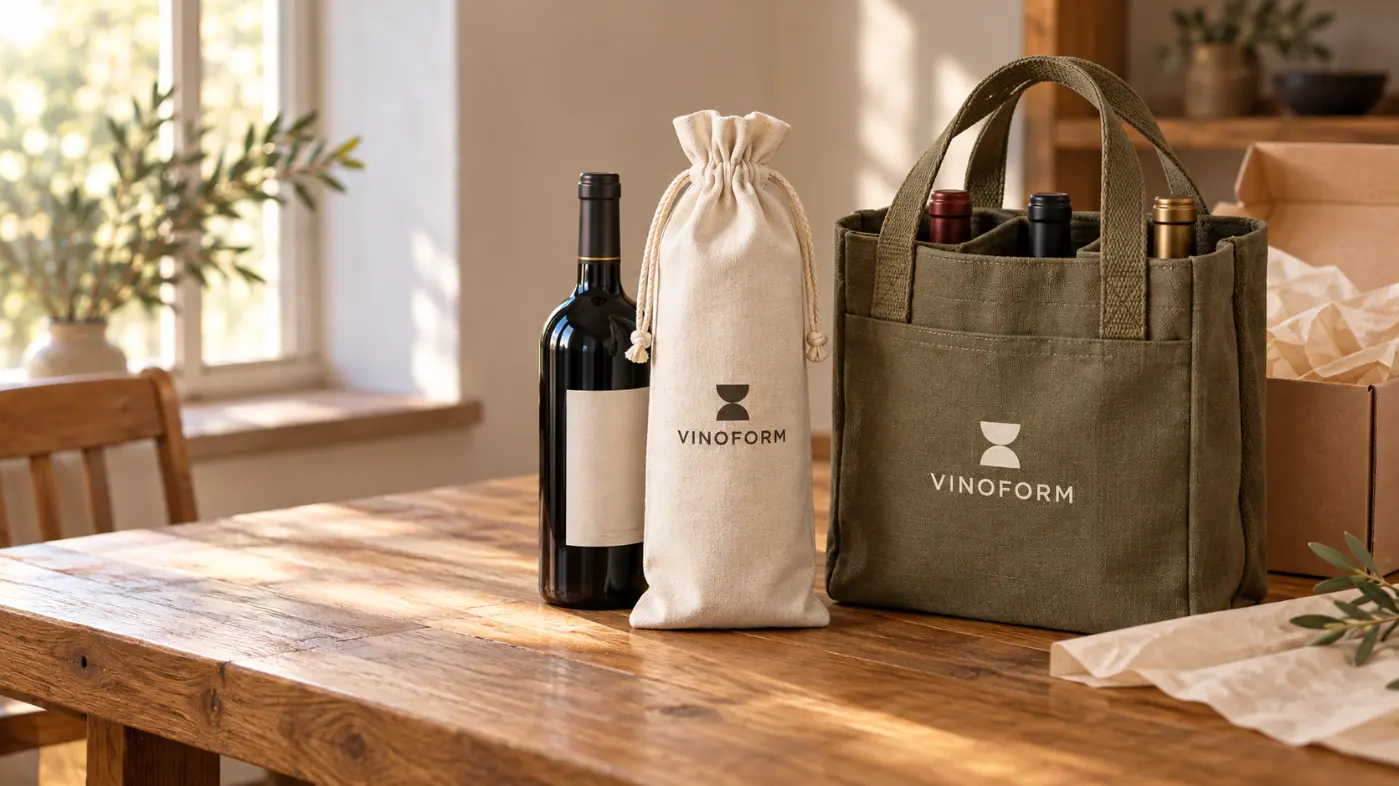
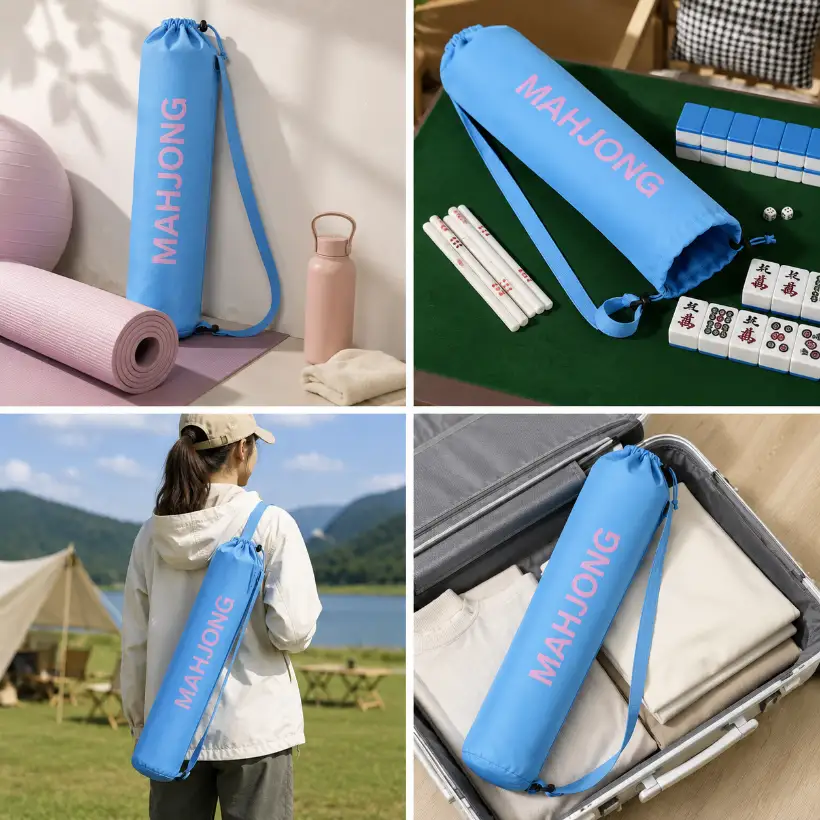
A compact tile pouch may suit travel sets or promotional giveaways where the tiles are the main item and the buyer wants a light bag. A rack or accessory pouch sits in between and can hold four racks or a set of push racks along with dice. A full carry bag can include reinforced handles or a shoulder strap for retail sets that need repeated packing and transport. For a broader look at pouch format considerations, this complete guide to drawstring pouch types and materials may help buyers evaluate whether a soft pouch is suitable for their mahjong set.
| Feature | Compact Tile Pouch | Rack / Accessory Pouch | Full Set Carry Bag |
|---|---|---|---|
| Typical contents | Loose tiles only | Racks, dice, small accessories | Full tile set, racks, dice, cards |
| Closure style | Drawstring or zipper | Zipper or flap with snap | Zipper with handle or strap |
| Reinforcement need | Depends on packed weight and use | Depends on rack weight and construction | Often requires added consideration because of weight and repeat use |
| Best fit for | Gift sets, travel packs | Mid-size retail sets | Full retail or wholesale sets |
Measure Tiles, Racks and Accessories Before Sourcing

Guessing a size is a frequent mistake in this category. Mahjong tiles vary by region and rule set, and racks vary even more, so a bag that fits one buyer’s set may sit loose or refuse to close on another. Before contacting a factory, gather the actual physical items and record their dimensions rather than relying on a generic template.
Buyers who want to organize these details in a quote request can use this packaging brief template as a reference for documenting measurements and construction requirements.
A practical measuring checklist should cover:
- Tile stack height and total tile count, since a full set weighs and stacks differently from a half set.
- Rack length, width and height, including any fold-down or push design.
- Dice, scorecards or rulebooks that need their own compartment or a shared space.
- Packed volume with everything inside, checked with the closure fully engaged, not just laid flat.
- Extra clearance for padding, dividers or a lining layer that reduces usable interior space.
This same logic applies across fabric pouch projects. This drawstring pouch measuring guide outlines a general measuring process that buyers can adapt for a mahjong bag, mahjong accessory pouch or other custom fabric game bag.
Select Materials and Construction Details
Material choice shapes how the bag feels in the hand, how it handles repeated packing, and how a printed or embroidered logo may appear. Mahjong sets can be heavier than many jewelry or gift pouch applications, so buyers should review fabric weight, seam construction, lining and handle attachment details against the actual packed load.
Cotton canvas, linen blends, polyester, nylon and cotton twill can all be considered for mahjong bags. Their suitability depends on the specific fiber blend, fabric weight, weave, coating, lining, reinforcement, closure design and intended use. A heavier or more structured fabric may be worth evaluating for a full carry bag, while a lighter fabric may be appropriate for a tile-only pouch. Buyers should confirm any moisture resistance, shape retention or load-bearing expectation for the selected material and construction rather than assuming it from the fiber name alone.
| Material | Feel & Look | Construction Considerations for Heavy Contents | Potential Use Case |
|---|---|---|---|
| Cotton canvas | Structured, matte | Performance depends on fabric weight, lining, seams and handle reinforcement | Full set carry bags |
| Linen blend | Textured, natural | May need lining or reinforcement depending on blend, fabric weight and packed load | Premium retail sets |
| Polyester/nylon | Often smooth | Water resistance and strength depend on the fabric specification, coating, lining and construction | Promotional and travel sets |
| Cotton twill | Soft, tighter weave | Suitability depends on fabric weight, seam design and packed load | Rack and accessory pouches |
Buyers sourcing recycled or organic cotton options should confirm the basis for any sustainability claim. Standards bodies such as Textile Exchange publish guidance on fiber sourcing claims that can help buyers assess supplier documentation.
Plan Compartments, Closures and Carry Features
A mahjong bag rarely holds just tiles. Racks, dice and scorecards may need separate storage to limit movement or contact with tile surfaces. Planning the internal layout before sampling can help avoid changes after the buyer reviews an initial construction.
Common layout decisions include:
- A single main compartment for tiles with a separate zippered pocket for dice and cards.
- A padded divider between the tile section and the rack section to help reduce movement.
- A drawstring closure for a simple tile pouch versus a zipper for a full carry bag that needs a more enclosed opening.
- Handle or strap placement for bags intended to be carried by hand rather than stored on a shelf.
None of these choices is automatically “correct.” A gift-focused brand may prefer a simple drawstring tile pouch with no internal structure, while a retailer selling complete sets may need a rack storage bag with a firm base and multiple pockets. The right answer depends on how the end buyer uses the set and on the confirmed bag specification.
Compare Logo and Customization Methods
Branding a mahjong bag requires matching the decoration method to the fabric surface, artwork and order requirements. Canvas may be suitable for embroidery, while buyers may consider screen printing or heat transfer for smooth polyester, subject to artwork, fabric composition and supplier confirmation.
- Screen printing may suit simple one- or two-color logos on selected canvas or cotton twill fabrics.
- Embroidery can create a raised texture on thicker fabrics, but its appearance, cost and setup requirements depend on the artwork and construction.
- Heat transfer can reproduce detailed, multi-color designs on some smoother fabrics, though results depend on fabric composition and the selected transfer process.
- Woven or printed labels offer an alternative for buyers who prefer a separate brand element instead of printing across the bag surface.
Whichever method a buyer considers, a physical sample made with the selected bag fabric can help confirm logo appearance, placement, texture and construction. A digital mockup can be useful for discussing layout, but it does not replace reviewing the finished material and decoration method.
Understand Cost Factors, MOQ and Sampling
Cost on a custom mahjong bag depends on several moving parts: fabric weight, bag size, number of compartments, logo method and order quantity. None of these numbers is fixed across the industry, so this section focuses on the factors to discuss rather than any specific figure.
Fabric selection can materially affect cost, as can construction details such as dividers, padding and hardware like zippers or clasps. Logo decoration can add further cost when a design requires screens, embroidery digitizing or other setup work. Order quantity may affect unit pricing in factory quotes, and buyers should confirm minimum order quantity, or MOQ, directly with the supplier for the specific specification rather than assuming it from a general market impression.
Sampling turns a specification sheet into a physical product that a buyer can review. A pre-production sample can help a buyer inspect fabric hand feel, stitching, logo placement and internal fit using the actual tiles and racks before the buyer places a bulk order. A sample review may help identify specification changes before bulk production. When discussing a project with YJXPACK, buyers should confirm which sampling and artwork-review options are available for their specific request.
Set Quality Control Checks Before Approval
Quality control on a mahjong bag focuses on strength, fit and finish, since this product carries weight and gets handled repeatedly. A buyer checklist at this stage serves as a starting framework, not a substitute for confirming exact specifications with the chosen supplier.
A general pre-approval checklist should include:
- Seam and stitch inspection at stress points, especially corners and handle attachments.
- Zipper or drawstring function tested through multiple open-close cycles appropriate to the project.
- Fit check with the actual tile set and rack, confirming there is no excess strain on seams when the bag is fully packed.
- Logo review using an inspection method appropriate to the selected decoration process.
- Color consistency reviewed against the approved sample or agreed reference.
Buyers who want a formal quality management reference point can look at the ISO resources on quality management systems. Buyers should confirm specific quality procedures, testing methods and acceptance criteria with the selected supplier for the individual project.
Match the Bag to Its Use Case and Buying Decision
The right mahjong bag depends on who will actually use it and how often. A distributor selling boxed retail sets needs a different specification than an e-commerce seller shipping individual travel sets direct to consumers, and a gift packaging buyer building a premium bundle has different priorities again.
A retailer focused on shelf appeal may prioritize a clean printed logo and a lighter fabric. A brand building a premium gift set may consider heavier canvas, embroidery and a more structured carry bag. A trader supplying wholesale accounts might prioritize consistent sizing and packing efficiency over decorative detail. None of these approaches is wrong; each answers a different question about what the buyer’s customer expects to receive.
Working through format, measurements, materials, closures, branding, cost and quality control in that order gives a buyer a clearer specification for discussion with a factory such as YJXPACK, rather than leaving key details for later clarification.
Frequently Asked Questions
What size should a mahjong bag be?
There is no single correct size, since tile sets, racks and accessories vary by region and manufacturer. Measure the actual set fully packed, including racks and dice, and confirm the final dimensions with the supplier before production.
Can one bag hold both tiles and racks?
Many full carry bags hold tiles, racks, dice and cards together, sometimes with an internal divider or a separate zippered pocket. Whether a single bag or two separate pouches works better depends on the total volume, packed weight and how the buyer’s customer plans to store the set.
Which fabric holds up best for heavy tile sets?
There is no single best fabric for every tile set. Buyers should compare fabric weight, fiber blend, lining, seam construction, handle reinforcement and the actual packed load. A heavier canvas may be considered for some full sets, while lighter cotton or synthetic fabrics may be suitable for smaller tile-only pouches if the construction supports the intended use.
How do I choose between screen printing and embroidery for a logo?
Screen printing may suit simpler artwork on selected fabrics, while embroidery can add texture on thicker materials. The fabric, artwork detail, intended appearance and order requirements should guide the decision. Reviewing a sample made with the selected fabric can help confirm the result.
What should I ask a supplier before placing a bulk order?
Ask for confirmation of:
- Measurements based on the actual tile set, racks and accessories.
- Available fabric, construction and logo options for the intended use.
- Sampling or artwork-review options for the specific project.
- MOQ, cost and lead time for the confirmed specification.
Share This Story, Choose Your Platform!