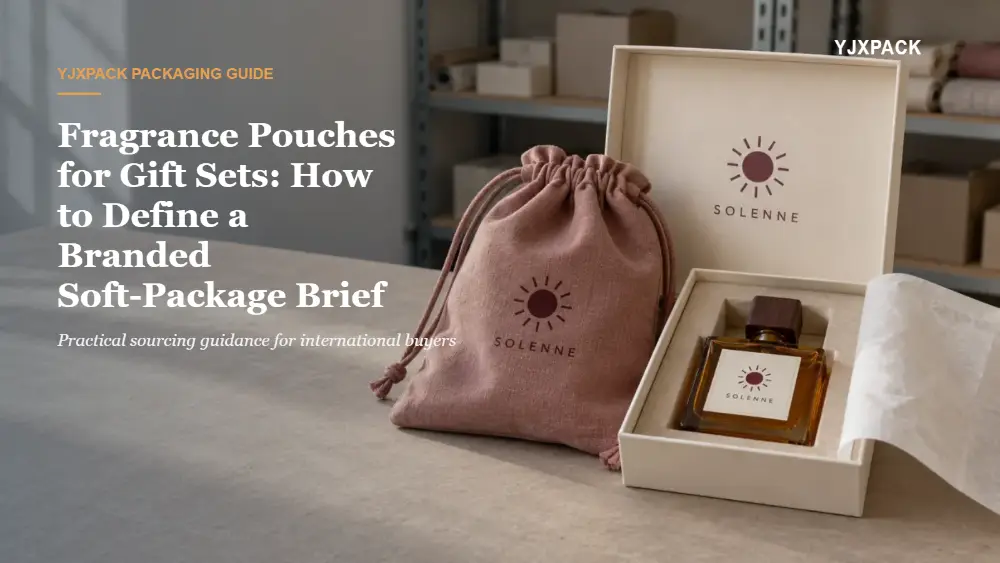

A branded mahjong set depends on coordinated details, including the pouch or bag used to store tiles, racks, dice, and printed materials. For buyers sourcing through YJXPACK or another custom fabric pouch factory, the storage bag should be specified around the actual set, intended use, and brand presentation rather than selected as a generic accessory.
Quick Summary
- Measure the actual tiles, racks, dice and rule booklets before locking any bag dimension.
- Match fabric weight and lining to how the set will be shipped, displayed and handled by the end user.
- Compare closure types, such as drawstrings, zippers and flaps, against how players will access the bag.
- Confirm logo method, color reference, and sample approval requirements before committing to a production quantity.
- Treat MOQ, cost drivers and quality checks as points to confirm with your supplier, not fixed numbers to assume in advance.
Measure the Mahjong Set Before Choosing the Bag
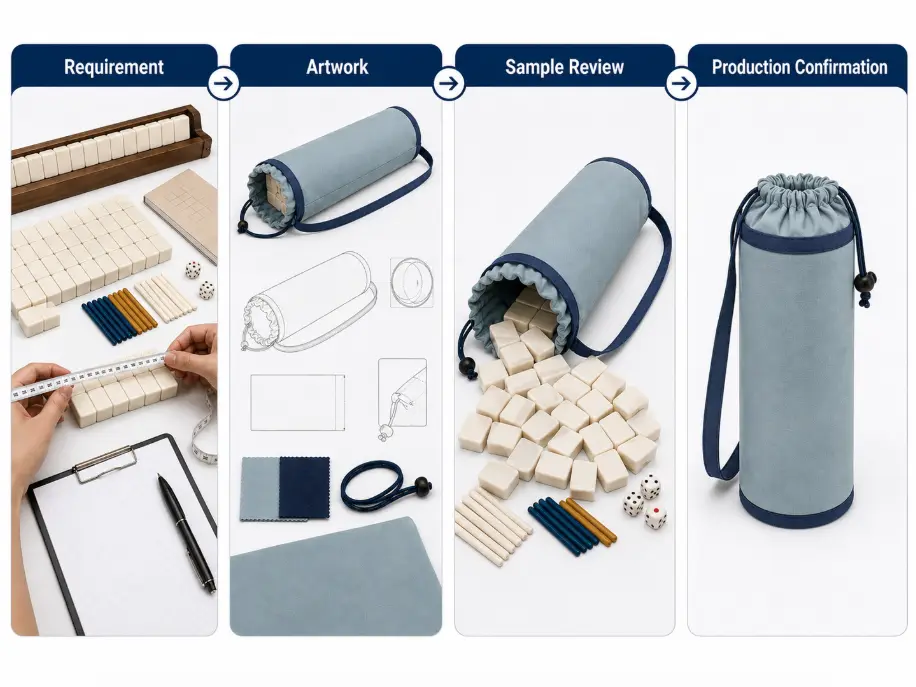
Every mahjong tile storage bag decision starts with the tiles themselves, not with a catalog photo. Sets vary widely: American mahjong tiles, Chinese sets and travel-sized sets can differ in tile count, tile thickness and rack style. Before you request a quote, gather measurements of the tiles stacked or racked, the racks themselves, dice, spare tiles and any rule cards or scorecards that need to travel with the set.
It also helps to consider how the bag will be used day to day. Will players place it inside a larger box, or will it serve as the primary carrying case? Will it sit flat in a drawer or travel inside a tote bag to game nights? These use cases affect not only size, but also fabric selection and interior structure.
For a closer look at how bag style interacts with tiles, racks and small accessories, this guide on how to choose a mahjong bag for tiles, racks and accessories breaks down practical considerations. If you are considering a plush option, the article on what to confirm before customizing a velvet mahjong tile bag covers questions to raise before finalizing velvet as the fabric.
For early logo planning, review custom jewelry pouches with logo: 8 details to confirm before requesting a quote. The same questions about logo method, placement, and proportion can also apply to game-set packaging.
| Item to Measure | What to Record | Why It Matters |
|---|---|---|
| Individual tile | Length, width, thickness | Helps determine interior depth and compartment width |
| Full tile stack or rack | Total stacked height, rack length | Helps set overall bag length and assess whether a gusset is needed |
| Dice and small accessories | Count and approximate volume | Helps determine whether a separate pocket is useful |
| Rule booklet or scorecards | Flat dimensions | Confirms whether a flat sleeve pocket may be needed |
| Fully packed set | Total weight | Informs fabric, handle or strap requirements |
Once these numbers are documented, you can compare them against a proposed bag layout instead of guessing. A bag that is only approximately sized may leave excessive room for tiles to shift during transport or may be difficult to close when fully packed.
Select the Material, Lining and Interior Structure
Fabric choice shapes both the feel of a branded mahjong set and the level of protection the bag may provide. Common options include cotton canvas, linen blends, velvet and microfiber, each with different texture, weight and cost implications. A cotton storage pouch can suit a casual, durable product position, while velvet may better fit a premium or gift-oriented presentation.
Lining also deserves review. Depending on the material and construction, a softer lining may help limit contact between tiles and the outer fabric. Some buyers may also consider a light padding layer or a divided interior structure to help reduce movement during transit. The final choice should be evaluated against the tile finish, shipping method, and approved sample.
If you are comparing fabric options, cotton vs. linen vs. velvet pouches: a material guide for brands provides a useful starting point.
Interior structure is where a fabric mahjong storage pouch can be tailored to the set. Consider whether you need:
- A single open compartment for a simple drawstring pouch
- A divided interior for tiles, racks and dice
- A flat sleeve for a rulebook or scorecard
- A base layer intended to provide additional cushioning for stacked tiles
None of these choices are automatically correct. A travel-focused product line may prioritize a simple, lightweight structure, while a gift-set line may call for a more layered interior.
Compare Closures, Handles and Logo Placement
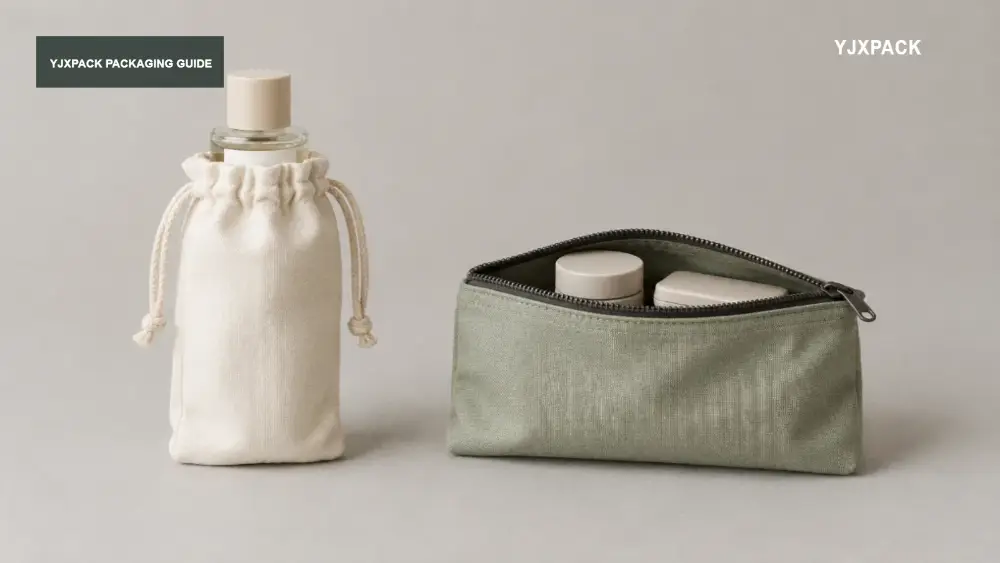
Closure style affects daily usability and presentation. A drawstring closure can support quick access at the table. A zipper may offer a more enclosed closure for sets that travel frequently or ship internationally. A flap-and-snap closure can suit a cleaner visual direction for a rack storage bag, subject to the selected hardware and construction.
Handles are worth a separate decision. A short top handle may help a bag function as a light carrying case, while a longer strap may suit a bag intended to be carried over the shoulder. Neither is required; many fabric bags are designed to sit inside rigid outer packaging.
| Closure Type | Typical Use Case | Trade-Off to Confirm |
|---|---|---|
| Drawstring | Fast, casual access at the table | May provide less containment if the bag is tipped or opened accidentally |
| Zipper | Frequent travel or dust protection | Adds hardware, assembly and sourcing considerations |
| Flap with snap or magnet | Gift-set presentation | May take longer to open than a drawstring |
| Flap with hidden pocket | Added storage and branding space | Requires additional fabric and stitching detail |
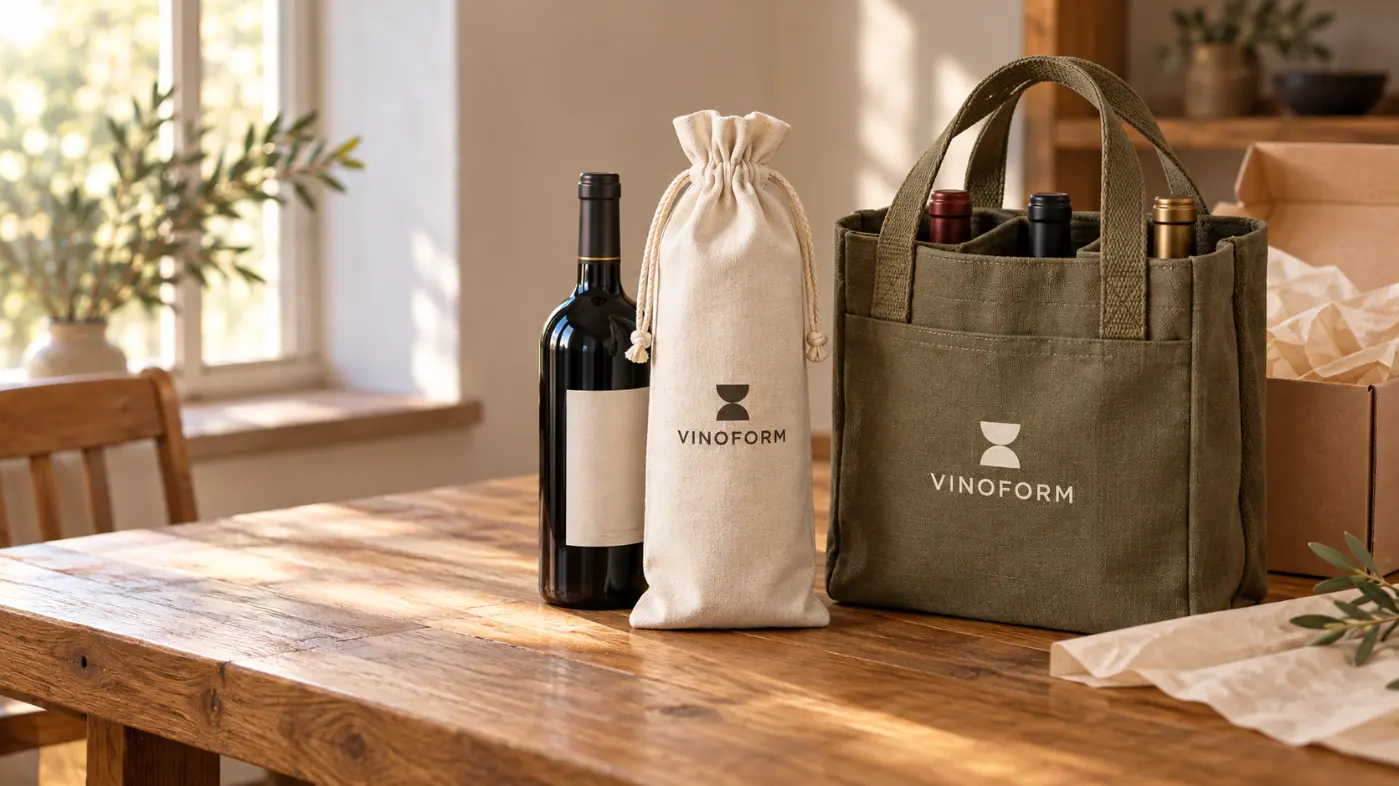
Logo placement should follow the same logic as closure choice: function first, branding second. A logo on a front flap can be visible on a shelf, while a logo on the base can offer a more discreet branding position. Confirm the selected logo method and color reference with the supplier rather than relying only on a screen preview.
Understand Cost Factors, MOQ and Sampling Decisions
Cost for a custom mahjong storage bag is influenced by several variables rather than one fixed number, which is why exact pricing should be confirmed from the final specification. Fabric source and weight, lining, interior structure, hardware such as zippers or snaps, logo method, construction, and purchasing conditions can all affect the quoted cost. A simple single-fabric drawstring pouch may be priced differently from a lined, divided, zippered bag with a foil logo, depending on the confirmed materials and construction.
MOQ works similarly. Each supplier may set minimums based on its production setup, material sourcing and logo-method requirements, so any MOQ should be confirmed directly rather than assumed.
Sampling is an important review stage. A sample can help buyers assess fit, fabric hand-feel, logo appearance and closure function before bulk production is approved. It also provides a physical reference for checking whether the pouch accommodates the finished set as intended. When requesting a quote from YJXPACK, buyers should provide the confirmed product requirements and ask which sample, artwork, approval, and production details need to be finalized.
The table below is a construction-planning guide, not a general pricing rule. Final cost depends on the complete confirmed specification and the factory quotation.
| Cost Driver | Direction That May Simplify Construction | Direction That May Add Materials or Production Steps |
|---|---|---|
| Fabric | One selected outer fabric with no additional layers | Specialty fabric, added lining, padding, or other confirmed material requirements |
| Interior structure | Single open compartment | Multiple compartments, pockets, dividers, or padding |
| Closure | Drawstring construction | Zipper, magnetic snap, or other selected hardware |
| Logo method | Simple confirmed logo application | Multi-color printing, embroidery, foil, or a larger logo area |
Set Quality-Control Checks for a Branded Storage Bag
Quality control on a fabric mahjong storage pouch should be based on the confirmed specification sheet, approved sample, and inspection criteria agreed by the buyer and supplier. Rather than relying on a quick visual review, define the functional and appearance requirements before production.
Inspect seams, especially around handles and zipper ends, against the agreed construction requirements and test approach. Stitching density and thread tension can affect durability, but acceptance should be based on the approved sample and agreed standards, not a subjective review.
Logo application also deserves its own inspection pass. Printed or embroidered logos should be checked against the approved artwork, placement reference, color standard, and finish requirements. Fabric color consistency across the production batch should likewise be evaluated against the approved material or color reference.
A simple pre-shipment checklist should cover:
- Dimensional accuracy against the confirmed specification sheet
- Seam and stitching condition at defined stress points
- Closure function, including zipper movement, drawstring operation or snap alignment
- Logo placement, color reference and finish quality against the approved sample
- Fabric color, texture and overall construction consistency across the batch
Match the Bag to the Set, Market and Buying Requirements

Not every mahjong set needs the same bag. A travel-oriented brand selling compact sets online may prioritize a lightweight fabric bag with a simple closure and limited shipping bulk. A gift-set retailer targeting a premium market may consider velvet, a more structured interior, or a more detailed logo finish. A distributor sourcing for multiple retail partners may need one core design with different color or closure options for separate customer briefs.
Market expectations matter too. Buyers making sustainability, material-content or textile-labeling claims should check the rules that apply in their sales markets. For example, products sold in the United States may need to meet applicable textile labeling requirements described by the U.S. Federal Trade Commission’s guidance on textile and wool labeling . This information is a starting point only; buyers should obtain qualified advice for their specific product and market.
Whether you contact YJXPACK or another supplier, the underlying sourcing process is the same: confirm measurements, choose material and structure deliberately, agree on closure and logo details, understand cost drivers, and define a quality checklist before production. A visual layout or physical sample can help buyers review these decisions before approving a bulk order.
Frequently Asked Questions
What size mahjong tile storage bag do I need?
There is no universal size, since tile dimensions, rack style and accessory count vary by set. Measure the actual tiles, rack and accessories together, then confirm the proposed interior dimensions with your supplier before finalizing a specification sheet.
Is velvet or cotton better for a mahjong tile storage bag?
Velvet can provide a plush, premium presentation suited to gift sets, while cotton can suit a more casual, durable everyday bag. The appropriate choice depends on brand positioning, the tile finish, and how the bag will be handled during shipping and use.
How do I make sure my logo looks right on a custom mahjong bag?
Confirm the logo method, color reference and placement in writing, then review the approved sample or agreed proof process before bulk production. Do not assume a logo will match a screen preview exactly without confirming the production reference.
What MOQ should I expect for a custom mahjong storage bag?
MOQ varies by supplier, fabric and logo method, so it should be confirmed directly with the factory rather than assumed. Treat any number found online as a discussion point, not a fixed figure.
What should I check before approving a production sample?
Check the sample against the confirmed requirements, including:
- Dimensions and fit for the complete mahjong set
- Seam and stitching condition
- Closure operation
- Logo placement and color reference
- Fabric appearance and construction consistency
Using a documented checklist and the approved specification reduces the risk of differing expectations during bulk production.
Share This Story, Choose Your Platform!