A custom jewelry pouch can look simple in a product photo, but small differences can create receiving, presentation, and reorder problems. A pouch may be too small for the product, the logo may sit away from the approved position, fabric color may vary, or drawstrings may not move evenly. A written quality control process gives B2B buyers one shared reference for samples, production units, packing, and shipment review.
Quick Summary
- Create one written pouch specification before you approve a sample or place production.
- Check actual pouch samples for size, product fit, fabric, color, stitching, closure, logo, and packing details.
- Test the pouch with the actual jewelry, accessory, cosmetic item, or other product it will hold.
- State how you will measure the pouch, what variations you can accept, and when you will inspect the goods.
- Keep approved artwork, dated photos, sample notes, and packing instructions in one order file.
- Review destination-market labeling requirements with your own compliance team before finalizing packaging.
Start With a Written Custom Pouch Specification
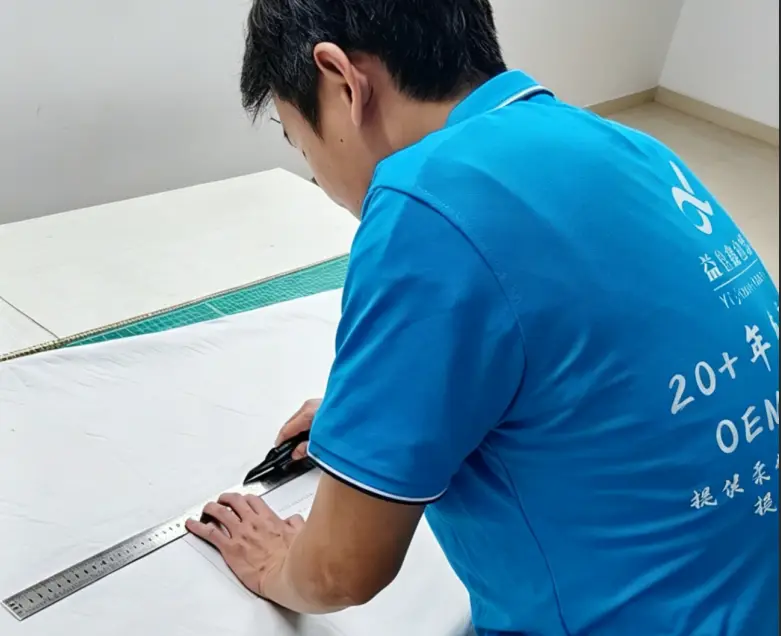
Quality control starts before sampling. Requirements that exist only in phone calls, chat messages, or memory can be understood differently by the people who quote, make samples, sew, decorate, and pack the pouches. One clear document reduces that risk.
Your specification should describe what a buyer can see or measure. Include the fabric type, color reference, finished dimensions, closure style, drawstring or ribbon details, logo artwork, logo location, decoration method, packing method, and carton-count instructions where relevant. Give the document a date and version number so the current requirements are easy to identify.
Before sending an inquiry, buyers can use this guide on what information a jewelry pouch manufacturer needs for an accurate quote to organize product details. If the project includes branding, this checklist of details to confirm before requesting a quote for custom jewelry pouches with a logo can help define artwork, placement, and pouch requirements.
When contacting YJXPACK, send the same complete specification file to all people involved in the approval process. That file can serve as the reference when you compare a sample with later units. It also helps prevent an older artwork file or an outdated size from being used by mistake.
Use plain, observable wording. For example, write “black cotton drawstring, 5 mm wide, centered in the channel” instead of “high-quality black cord.” The first instruction can be checked during inspection. The second depends on individual opinion.
| Specification Item | What to State | How to Check It |
|---|---|---|
| Fabric | Material name, finish, color reference, and required appearance | Compare with the approved sample under consistent lighting |
| Finished size | Width, height, and whether seams, gussets, or channels affect the measurement | Measure a flat pouch without stretching it |
| Closure | Drawstring, flap, zipper, ribbon, snap, or other closure details | Open, close, and inspect physical units |
| Logo | Artwork version, method, location, size, orientation, and color reference | Compare with approved artwork and a placement guide |
| Packing | Fold direction, bundle quantity, carton quantity, and protection instructions | Review a packed sample or selected finished cartons |
Check Size, Product Fit, Fabric, and Color
Do not use photos or video as the only basis for approval when physical appearance and fit matter. Display settings can change how color appears, while images may not show fabric thickness, seam feel, closure movement, or the way a product sits inside the pouch.
First, decide how you will measure the pouch. Lay it flat without stretching it, then record width and height using the same method for every sample or inspection unit. If the design has a gusset, flap, folded top, or drawstring channel, state in advance whether that feature is included in the finished measurement. This guide to measuring a drawstring pouch offers a useful starting point for a consistent method.
Then place the actual product in the pouch. Test the ring, bracelet, pendant, watch, cosmetic item, or accessory that the pouch will carry. Close the pouch as an end user would. Check whether the item enters easily, sits comfortably, allows the closure to work, and presents well. A pouch can match the stated dimensions but still be unsuitable if the product catches on the closure or makes the pouch appear overfilled.
Agree on a color reference before approval. A physical fabric swatch often gives a more useful reference than a screen image. If your team uses a named color system, add that reference to the specification. Also record the lighting used for approval where practical. Consistent neutral lighting provides a clearer comparison than mixed lighting from windows, office lamps, and screens.
Material selection affects both appearance and construction. Cotton, linen, muslin, velvet, microfiber, and organza can fold, print, emboss, and handle differently. Buyers comparing natural-fiber options can review this cotton, linen, and muslin pouch comparison before choosing a material.
| Inspection Point | What to Look For | What to Record |
|---|---|---|
| Dimensions | Width and height against the agreed tolerance | Result, measuring tool, and number of units checked |
| Product fit | Product enters, sits, and closes as intended | Product type and any fit concern |
| Fabric consistency | Similar texture, weave, thickness, and appearance across checked units | Notes and sample photos |
| Color appearance | Match to the agreed swatch or approved reference | Lighting condition and visible variation |
| Cleanliness | No obvious marks, oil spots, dust, or unwanted stains | Affected unit count and photo reference |
Inspect Stitching, Edges, and Closure Construction
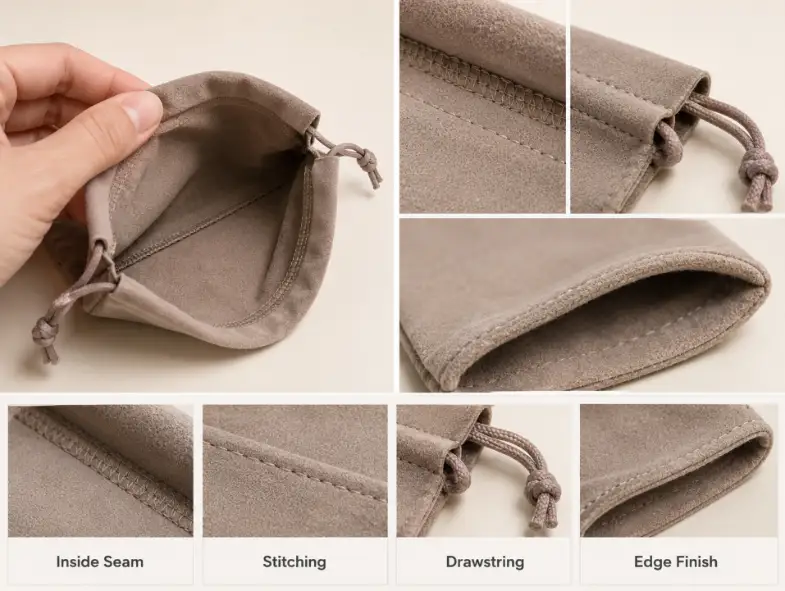
Inspect both the outside and inside of several units. Turn selected pouches inside out during sample review or incoming inspection. Look for loose threads, skipped stitches, uneven seam lines, open seams, and raw edges where the agreed design calls for finished edges.
Next, test normal handling. Open and close a drawstring several times and check whether the cord moves through the channel without obvious snagging. Confirm that both sides of the channel sit evenly. For flap, ribbon, snap, or zipper styles, check alignment and operation in the same way.
Avoid undefined tests such as “pull until it breaks.” That instruction does not tell either side how to conduct the test or what outcome is acceptable. Instead, define the normal handling action that matters for your use case. If the product has sharp corners, noticeable weight, or a delicate finish, test with that actual product rather than a substitute.
Keep a simple defect log. Record the pouch number or carton number, defect type, photo reference, and the level of impact for your business. A log helps you describe a problem precisely. For example, “two units have open side seams” is easier to review than “the batch looks inconsistent.”
Review Logo Placement and Custom Details
Customers often notice branding first, so compare the logo on the physical pouch with the approved artwork file and placement guide. Do not rely on an old email attachment or memory of the design.
Check placement, size, orientation, and overall appearance. If exact placement matters, measure the logo’s distance from a defined edge. Confirm that the logo faces the intended direction when the pouch is closed, displayed, or handed to a customer. Look for incomplete print areas, uneven foil coverage, distorted lettering, or uneven embossing where those points apply to the selected decoration method.
If you order more than one pouch color, size, or artwork version, identify each combination clearly during sample review. One approved logo result may not represent every fabric color or pouch format. Keep each approved reference with its corresponding SKU, artwork version, and material description.
Check Packing, Carton Counts, and Receiving Requirements
Pouch quality includes packing. A pouch may meet the approved sample standard but arrive creased, dusty, mixed with another colorway, or short in quantity if packing instructions are incomplete.
State how pouches should be folded, grouped, protected, and labeled. If you need separate bundles by color, SKU, size, or logo version, include that requirement in the specification. Your receiving team should be able to identify carton contents from the carton label and packing list without opening every bundle.
| Packing Area | Buyer Check | Why It Matters |
|---|---|---|
| Inner bundles | Count units per bundle and confirm SKU separation | Helps identify mixed or missing items |
| Folding method | Compare folds with the approved packing instruction | Reduces unnecessary creases and repacking work |
| Carton quantity | Spot-check counts against carton labels and the packing list | Finds count differences early |
| Carton condition | Look for crushing, moisture exposure, punctures, or broken seals | Creates a record of visible transit damage |
| Market labeling | Confirm required content with your compliance team | Rules vary by destination and product category |
For U.S. sellers, the FTC Business Guidance page is a useful general starting point for researching advertising and labeling obligations. It does not replace advice tailored to your product, packaging, claims, or destination market.
Set Approval and Issue-Handling Rules Before Production
A sample is a decision point, not only a visual preview. Before production begins, decide which sample serves as the approval reference, what records you will retain, and how you will report differences from that reference.
Buyers may use a pre-production sample, a review during production, a review before shipment, or another process that fits the project. The appropriate approach depends on pouch design, product value, order risk, and the buyer’s own inspection resources. Discuss available sample and review options with the supplier, then record the agreed approach in writing.
Your approval record should include the specification version, artwork version, dated photos, measured dimensions, approved color reference, packing instructions, and any allowed variation. Keep a physical approved sample when practical. If you cannot retain one, photograph it beside a ruler, color reference, and logo placement guide.
When an issue appears, describe the visible difference without guessing at its cause. For example: “The logo on units 4 and 7 sits about 4 mm lower than the approved placement guide.” That wording gives the supplier a clear point to review.
When working with YJXPACK, provide your inspection sheet, packing instructions, and approved reference before the order moves forward. Clear records help both sides discuss samples, production questions, and reported differences using the same requirements.
Match QC Effort to Product Risk
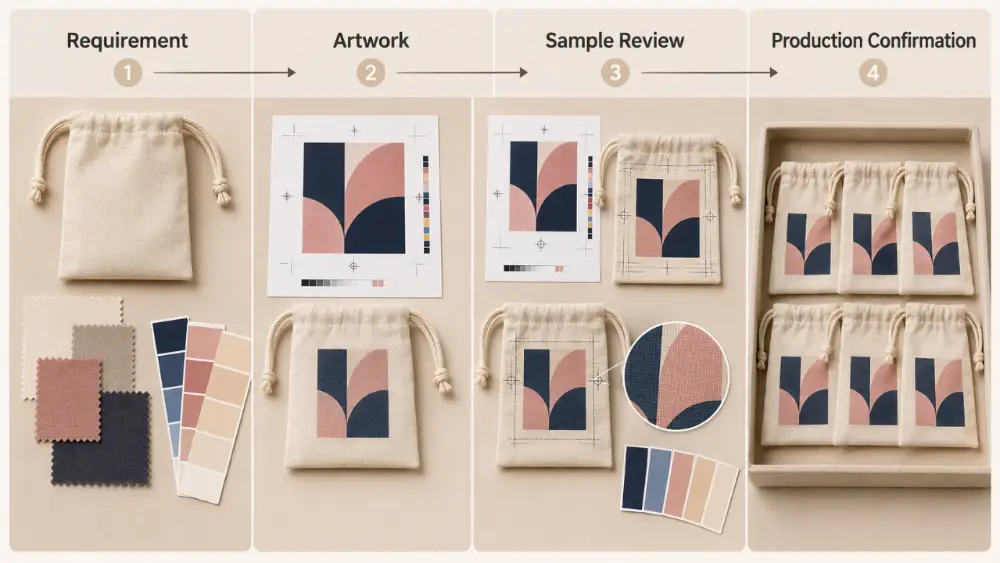
Not every pouch project needs the same level of review. A pouch for high-value jewelry may need closer attention to logo appearance, product protection, and presentation. A simple promotional pouch may place more emphasis on size, color grouping, and count accuracy. Identify the defects that would matter most to your customers, then prioritize those checks.
For example, a jewelry brand may treat a small logo placement difference as important, while a high-volume accessory seller may focus on finished size and carton sorting. Neither approach fits every project. Your specification should reflect the product, sales channel, customer expectations, and receiving process.
Before requesting a quotation, prepare three core items: the pouch specification, the artwork file, and a short acceptance checklist. YJXPACK can use the details you provide as the basis for a clearer discussion of sample requirements and order questions.
Frequently Asked Questions
What is the most important item in a custom pouch quality control checklist?
The written specification is the starting point. It provides a shared reference for size, material, closure, logo, packing, and inspection. Without a written reference, acceptance decisions can become subjective.
Should I approve a pouch sample from photos alone?
Photos can help with a general appearance review, but a physical sample provides a better view of fabric feel, stitching, finished dimensions, color, closure movement, and product fit. Use physical review when those details matter to the project.
How do I check whether a pouch is the right size for my product?
Place the actual product inside the pouch, close it, and inspect how it sits. Measure the pouch as well, but do not rely on dimensions alone because product shape, thickness, and closure design can affect fit.
What should I document when I approve a custom pouch sample?
Keep the specification version, approved artwork, dated photos, measurements, color reference, packing instructions, and written approval record. Note any variation you accept so it does not become a later point of disagreement.
What should I do if delivered pouches differ from the approved sample?
Separate the affected units, compare them with the written specification and approval record, take clear photos, and contact the supplier with a specific list of visible differences before accepting the shipment or deciding on next steps.
Share This Story, Choose Your Platform!